


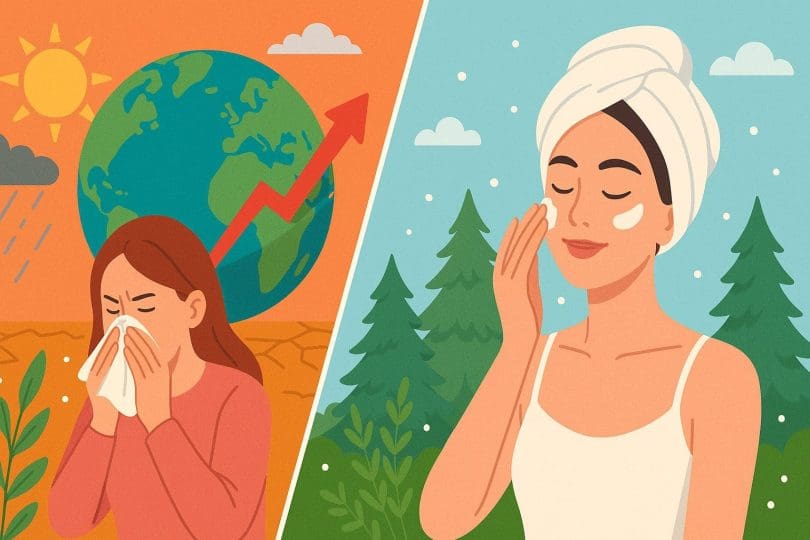
In recent years, more people than ever are struggling with Skin Allergies, unexpected rashes, and stubborn itching. While genetics and lifestyle factors play a role, there’s another culprit that often goes unnoticed: climate change. Shifting weather patterns, rising temperatures, and longer allergy seasons are contributing to an increase in skin allergies and rashes worldwide.
At HEIDI PHARMACY, we understand how frustrating skin allergies can be—from constant discomfort to searching for the right skin allergy medicine or Skin Allergies cream. In this guide, we’ll explain how climate change affects Skin Allergies, common skin allergy symptoms, and practical steps you can take to protect your skin, relieve itching, and maintain healthy skin all year long.
How Climate Change Makes Skin Allergies Worse
Climate change affects our environment in ways that directly impact Skin Allergies:
✅ Longer pollen seasons: Warmer temperatures cause plants to release pollen earlier and for longer, leading to prolonged exposure.
✅ Higher pollen counts: Increased carbon dioxide boosts plant growth and pollen production.
✅ Air pollution: Trapped pollutants and fine particles can irritate sensitive skin, worsen skin rashes that itch, and trigger flare-ups.
✅ Extreme weather: Heatwaves, humidity, and sudden cold snaps can all irritate the skin barrier, leading to skin irritation and allergic reactions.
Together, these factors mean people with Skin Allergies may experience more frequent or severe symptoms than in the past.
Recognizing Common Skin Allergy Symptoms
Not sure if what you’re experiencing is related to Skin Allergies? Here are typical skin allergy symptoms to watch for:
- Redness or inflamed patches
- Itchy, dry, or scaly skin
- Swelling in affected areas
- Small bumps or blisters
- Burning or stinging sensation
These symptoms may come and go or worsen during peak allergy seasons triggered by climate factors.
Do You Need a Skin Allergies Test?
If your symptoms are recurring, a skin allergies test can help identify specific triggers—like pollen, mold, or dust mites. While skin allergies test cost may vary, the investment often pays off by helping you choose targeted treatments, from Skin Allergies cream to lifestyle adjustments.
How to Treat Skin Allergies: Creams, Ointments, and Medicine
Relief is possible! Here’s how:
Skin Allergies Cream and Ointment
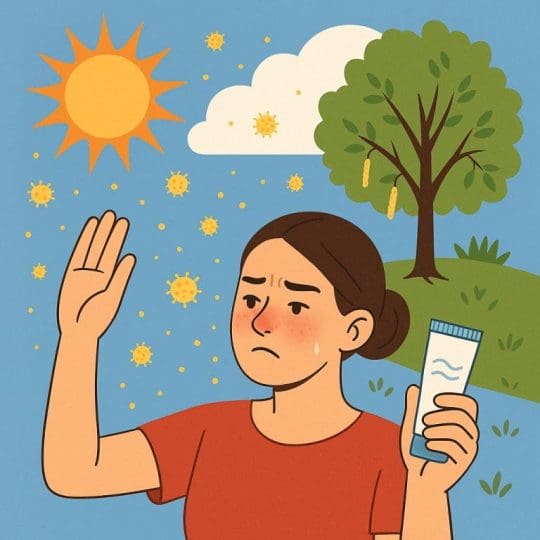
Topical treatments are often the first line of defense. They help soothe skin irritation, reduce redness, and stop itching.
- Moisturizing creams: Help restore the skin barrier.
- Anti-itch creams: Contain ingredients like calamine or menthol.
- Prescription creams: Corticosteroid creams reduce inflammation.
For more stubborn skin allergies and rashes, dermatologists may recommend a Skin Allergies ointment that penetrates deeper layers.
Oral Skin Allergy Medicine
When topical creams aren’t enough, oral medications like antihistamines can provide relief:
- Telfast for skin allergy (fexofenadine): Non-drowsy option that targets itching and swelling.
- Other antihistamines: Help block histamine, the chemical behind allergic reactions.
- In severe cases: Doctors may prescribe stronger immune-modulating drugs.
Always consult your pharmacist or doctor before starting new medication.
Natural & Lifestyle Approaches for Skin Allergies
Alongside medication, daily habits can help protect your skin:
✅ Use gentle, fragrance-free cleansers and moisturizers.
✅ Shower after being outdoors to remove pollen.
✅ Keep your home clean: Dust, vacuum, and use air filters to reduce allergens.
✅ Wear protective clothing during high pollen days.
✅ Avoid scratching rashes—it can worsen skin rashes that itch.
Simple habits go a long way toward reducing skin irritation and allergic flare-ups.
Why Climate Change Makes Prevention Even More Important
Longer allergy seasons and higher pollen counts mean prevention isn’t just for spring anymore. Consider these year-round strategies:
- Track pollen levels: Many apps and weather reports include daily pollen forecasts.
- Adjust outdoor activities: Limit time outside on high pollen days.
- Protect your skin barrier: Regular use of Skin Allergies cream helps shield skin from environmental triggers.
By staying proactive, you can enjoy healthy skin—even when the climate isn’t on your side.
How to Choose the Right Products for Skin Allergies
At HEIDI PHARMACY, we often help patients choose between different skin allergies cream, ointments, and oral medicines. Here’s what to consider:
- Skin type: Dry, oily, or sensitive?
- Location of rash: Some areas need lighter lotions; others benefit from thicker ointments.
- Severity of symptoms: Mild itching may need over-the-counter solutions; severe reactions might need prescription medicine.
Your pharmacist can help tailor options to your needs and explain how to combine products safely.
Protecting Your Skin from Stress and Pollution
Stress and pollution—both linked to climate change—can also trigger Skin Allergies.
Stress
- Stress can disrupt the immune system and worsen skin allergies and rashes.
- Try meditation, breathing exercises, or yoga to reduce stress levels.
Pollution
- Wash your face and exposed skin after outdoor activities.
- Use products with antioxidants to help protect against environmental damage.
Together, these steps can make a real difference in managing Skin Allergies.
When to See a Doctor for Skin Allergies
Seek medical help if:
- Rashes cover large areas or spread quickly.
- Over-the-counter treatments don’t relieve symptoms.
- You notice signs of infection (pain, pus, fever).
- Skin rashes that itch interfere with daily life.
A doctor can help with testing, prescription treatments, or referral to an allergy specialist.
Tips for Living Well with Skin Allergies
✅ Moisturize daily—even when symptoms aren’t active.
✅ Choose cotton clothing to reduce skin irritation.
✅ Keep nails short to avoid damaging skin when scratching.
✅ Identify and avoid personal triggers (fragrances, detergents, certain foods).
✅ Talk openly with your pharmacist about medicine options—from telfast for skin allergy to medicine for skin allergy itching.
With the right approach, Skin Allergies can be managed so you can focus on living your life—not your symptoms.
Final Thoughts: Adapting to a Changing Climate
Climate change isn’t just an environmental issue—it affects personal health, too. Longer, more intense allergy seasons mean more challenges for people with Skin Allergies.
But by combining:
- Knowledge of climate-driven triggers,
- The right skin allergy medicine, creams, or ointments,
- And everyday habits to protect your skin,
You can keep your skin healthy—even in unpredictable weather.
Need Help Choosing the Right Treatment?
At HEIDI PHARMACY, we’re here to help you navigate Skin Allergies with:
- Expert advice on Skin Allergies cream or ointment
- Guidance on the best skin allergy medicine for your symptoms
- Answers to questions about skin allergies test cost or medication safety
Your comfort and healthy skin are our priority.